The Indian digital landscape is currently gripped by a peculiar and alarming trend. For the past week, millions of users have been frantically searching for a specific 19 minute video.
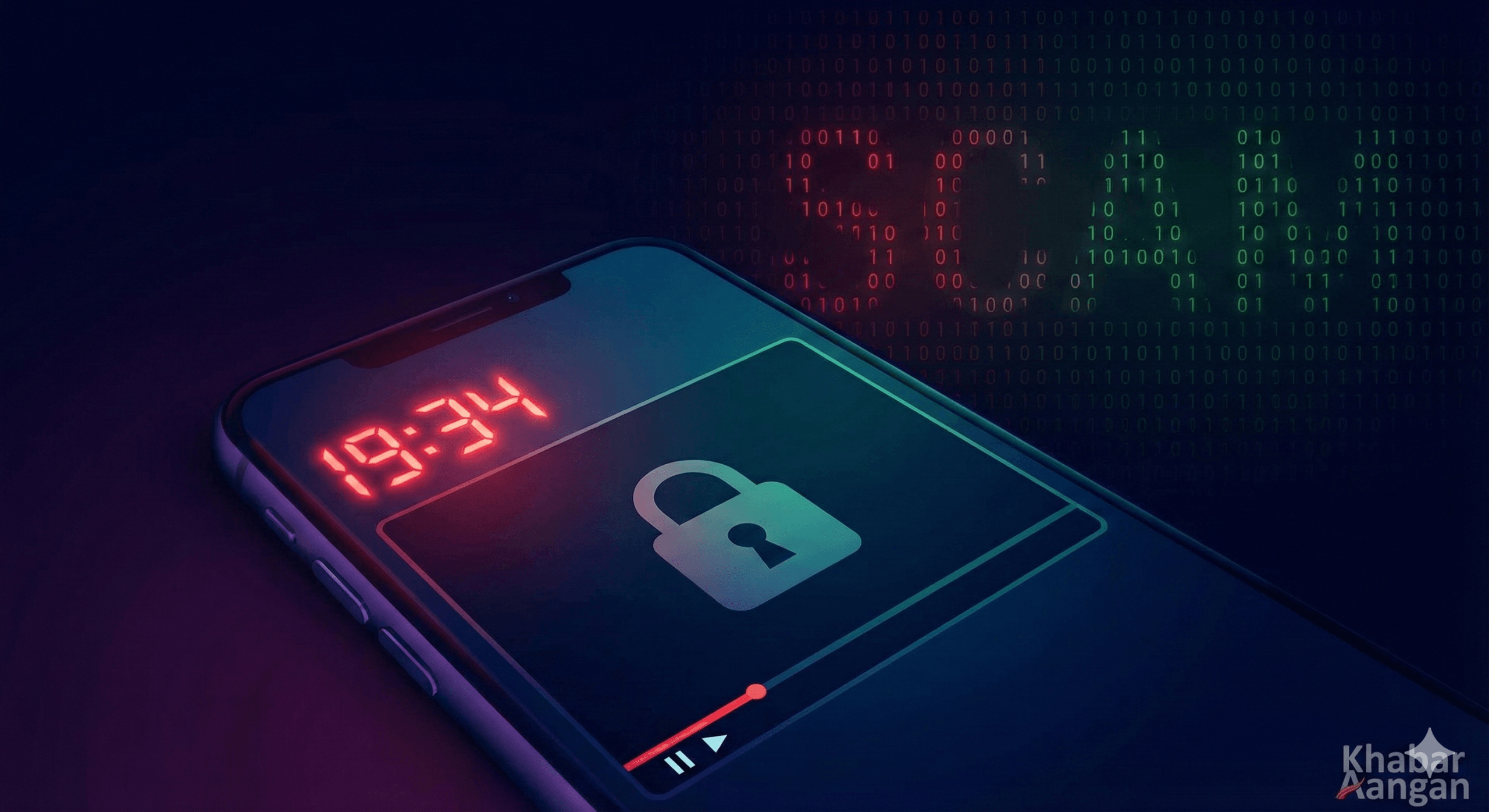
The search query often includes a precise timestamp of “19 minutes 34 seconds,” which has become the most viral keyword of December 2025.
This phenomenon is not just about a single leaked clip but represents a sophisticated evolution of cybercrime. The specificity of the duration has convinced users that a genuine file exists. However, cybersecurity experts warn that this trend is largely a phantom, designed to lure users into phishing traps.
The controversy has entangled several regional influencers from Assam, Meghalaya, and West Bengal. Innocent content creators are being targeted by mob mentality, fueled by the rumor of this elusive 19 minute video.
The situation has escalated to the point where police authorities have issued strict warnings against searching for or sharing such content.
This report investigates the truth behind the viral timestamp. We analyze the mechanics of the scam, the role of Artificial Intelligence in manufacturing these rumors, and the severe legal risks involved for those who engage with this trend.
The Origin of the “19 Minute 34 Second” Rumor
The trend appears to have originated from a smear campaign targeting a popular influencer from Meghalaya, Sweet Zannat. Rumors began circulating on WhatsApp and Telegram that a private 19 minute video featuring the influencer had been leaked. The addition of “34 seconds” to the duration gave the rumor an air of authenticity.
In the world of digital leaks, precise timestamps act as a psychological hook. A round number like “20 minutes” sounds like a guess, but “19 minutes 34 seconds” sounds like a file property. Scammers capitalized on this cognitive bias to drive massive traffic to their malicious websites.
It was later revealed through forensic analysis that the video in question likely did not exist or was a deepfake. The influencer herself came forward to clarify that she was being targeted by a defamation campaign. Despite her denial, the search volume for the 19 minute video continued to skyrocket.
The Deepfake Connection
A disturbing aspect of this trend is the involvement of Artificial Intelligence. In several instances related to the 19 minute video search, the content that users eventually found turned out to be AI-generated deepfakes. These videos used face-swapping technology to superimpose influencers’ faces onto explicit footage.
The perpetrators use these deepfakes to validate the rumors. Even a short, blurry AI-generated clip is enough to convince the public that the full 19 minute video exists. This fuels the cycle of harassment against the victim, who has to fight against visual “evidence” that is entirely fabricated.
Police in Assam and Haryana have arrested individuals responsible for creating such morphed content. These arrests highlight that the creators of these deepfakes are often local acquaintances or online trolls seeking revenge or clout.
How the Scam Works
When a user searches for the 19 minute video on Google or social media, they are presented with hundreds of links. Most of these links do not lead to a video player. Instead, they redirect the user to third-party websites filled with aggressive advertising and pop-ups.
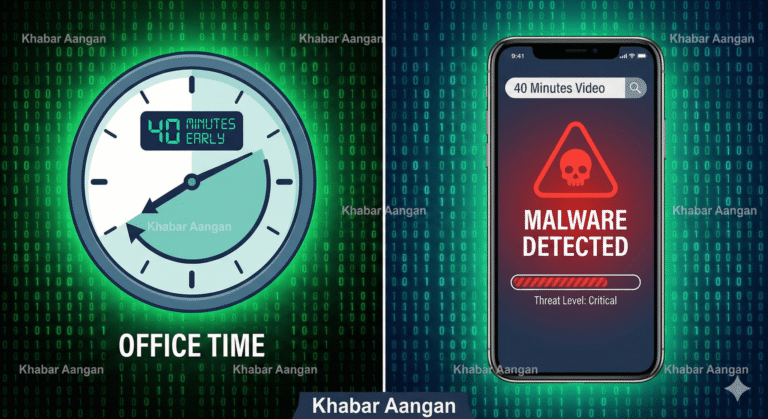
Many of these sites employ a “click-to-play” mechanism that triggers a malware download. The file is often named to look like a video (e.g., “Full_Video_19m34s.apk”), but it is actually a malicious application. Once installed, this malware can steal contacts, read SMS messages, and access banking apps.
The scam is financially motivated. The “porn-bot” networks that spread these links earn revenue from ad impressions and by selling the stolen user data. The 19 minute video is simply the bait used to cast a wide net over the Indian internet population.
The “Part 2” and “Full Link” Trap
To keep the trend alive, scammers have introduced variations of the rumor. After users fail to find the video, new links appear promising a “Part 2” or an “Uncut Version” of the 19 minute video. These links are almost exclusively dangerous.
Cyber crime cells have noted that these “Part 2” links are often shared in encrypted telegram channels. These channels charge a subscription fee or require users to add more members to “unlock” the content. This is a classic pyramid scheme model applied to digital piracy.
Users who fall for this often end up compromising their privacy. By joining these groups, they expose their phone numbers and profile pictures to scammers, who may then target them for blackmail or sextortion.
Impact on Influencers: Sweet Zannat and Dhunu Joni
The human cost of the 19 minute video trend is devastating. Sweet Zannat faced days of relentless cyberbullying. Her social media comments were flooded with demands for the link, forcing her to limit interactions and issue public pleas for privacy.
Similarly, Dhunu Joni, an influencer from Assam, was dragged into the controversy. Misinformation spread that she was the subject of the 19 minute video. The harassment forced her to step back from her digital career temporarily, causing significant professional and emotional damage.
These incidents highlight the vulnerability of women in the digital space. The mere rumor of a leak, regardless of its truth, is enough to tarnish a reputation built over years. The stigma attached to such scandals often alienates the victims from their families and communities.
Legal Consequences Under the IT Act
Searching for, watching, or sharing non-consensual sexual content is not a victimless crime. The Indian legal framework treats the distribution of such material as a serious offense. The viral nature of the 19 minute video has prompted police to invoke strict sections of the Information Technology (IT) Act, 2000.
Under Section 67A of the IT Act, publishing or transmitting sexually explicit material can lead to imprisonment of up to five years and a fine of ₹10 lakh. This law applies to everyone in the chain of distribution, including those who forward the link on WhatsApp.
Police have also warned that creating or sharing deepfakes falls under forgery and defamation laws. The new Bharatiya Nyaya Sanhita (BNS) includes specific provisions that can be used to prosecute those who generate AI-based misinformation to harm a woman’s modesty.
Police Crackdown and Advisories
In response to the viral spread of the 19 minute video keyword, cyber crime wings across multiple states have sprung into action. The Haryana Police released a video advisory explaining the modus operandi of the scammers. They explicitly warned users not to click on unknown links.
The West Bengal and Assam police are actively monitoring social media platforms. They are working with tech giants to take down posts and hashtags related to the 19 minute video. Several Telegram channels hosting these scam links have been banned in the last 48 hours.





Authorities are also using social engineering to track the perpetrators. By analyzing the digital footprint of the initial uploads, they are identifying the IP addresses of the bot networks responsible for starting the trend.
Why the Timestamp “19:34” Matters
Psychologists suggest that the specific timestamp is the key to the trend’s virality. In an era of misinformation, users are skeptical of vague claims. A specific detail like “34 seconds” bypasses this skepticism. It suggests that someone has actually seen the file and noted its length.
This detail creates a “Fear Of Missing Out” (FOMO). Users feel that there is a concrete piece of content that everyone else is watching. The urge to be “in the know” drives them to search for the 19 minute video despite the obvious security risks.
Scammers are aware of this psychological trigger. They will likely continue to use specific, odd-numbered durations in future scams to maintain the illusion of authenticity.
Conclusion: Stop the Search
The 19 minute video saga is a stark reminder of the dangers lurking in the digital world. It exposes how easily curiosity can be weaponized by criminals. The video likely does not exist, but the malware and legal risks are very real.
Users must exercise critical thinking and restraint. The search for “leaked” private content is unethical and dangerous. By refusing to engage with these trends, we can protect ourselves and the dignity of the innocent individuals targeted by these scams.
The best course of action is to ignore the rumors. Do not search for the 19 minute video, do not click the links, and do not contribute to the cycle of harassment.
Related Disclaimer: This article investigates a current viral internet trend involving unverified rumors and potential cyber scams. The existence of the video mentioned is unverified and widely reported as a hoax or deepfake. Readers are strictly advised against searching for or distributing non-consensual content.
About the Author

📢 Click here for instant updates:
📲 Join us on WhatsApp