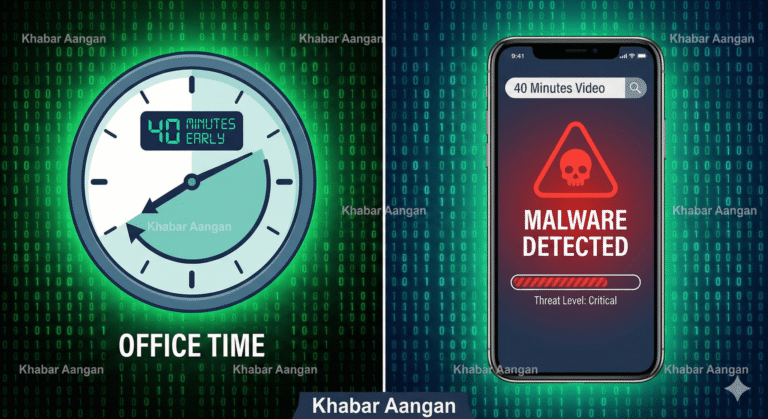
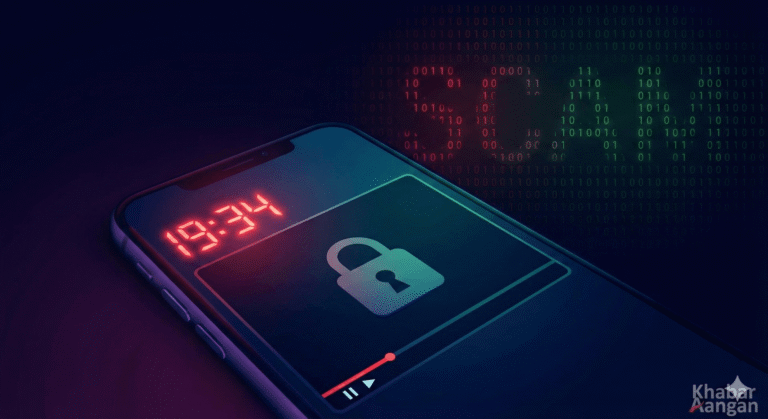
A specific search term has taken the internet by storm in the first week of December 2025. The phrase “19-Minute 34-Second Viral Video” has become one of the most searched topics on Google and social media platforms like Instagram and X (formerly Twitter). While millions of users are hunting for this alleged leaked clip, cybersecurity experts have issued a severe warning: the video might not even exist, but the danger to your personal data is very real.
This viral phenomenon serves as a grim reminder of the dark underbelly of the internet. It combines the allure of forbidden content with sophisticated cybercrime tactics. Reports indicate that organized fraud networks are using this specific keyword to lure curious users into clicking malicious links.
The trend has also claimed innocent victims. Several social media influencers have been wrongly identified as the individuals in the purported video, leading to severe online harassment and character assassination. This report dives deep into the anatomy of this viral scam, the legal risks involved, and the stories of the women fighting to clear their names.
The Anatomy of the Viral Scam
The controversy centers around an alleged private video of a couple, rumored to be exactly 19 minutes and 34 seconds long. The specificity of the duration has added an air of authenticity to the rumors, driving curiosity to fever pitch. However, investigations by cybersecurity firms suggest that this “specific time” is merely a marketing hook used by scammers.
When users search for this video, they encounter thousands of links promising the “full version” or “Season 2” of the clip. These links are rarely legitimate. Instead, they redirect users to phishing sites, betting apps, or pages laden with malware.
Experts explain that this is a classic “social engineering” attack. By exploiting the user’s fear of missing out (FOMO) and curiosity about scandalous content, hackers bypass logical defenses. The moment a user clicks a “Download” or “Play” button on these shady sites, background scripts may begin stealing sensitive data.
Malware Risks: What Happens When You Click?
The consequences of chasing this viral trend can be financially devastating. Security analysts have found that many of the circulating links are designed to install “banking trojans” on mobile devices. These are silent malicious programs that hide in the background of your phone.
Once installed, these trojans can harvest saved passwords, access banking apps, and even intercept One-Time Passwords (OTPs). This means a hacker could drain a victim’s bank account without the user ever realizing their security was compromised.
Some scam pages also use “ransomware” tactics. They might lock a user’s browser or device and demand a payment to “unlock” the full video or restore access to the phone. The premise of a “leaked video” acts as the perfect bait to catch unsuspecting users off guard.
Innocent Influencers Caught in the Crossfire
The most human cost of this viral trend is being paid by female influencers who have nothing to do with the alleged video. Due to the blurry screenshots and rampant misinformation, netizens have wrongly identified several content creators as the woman in the clip.
One such victim is Meghalaya-based influencer Sweet Zannat. Her social media profiles were suddenly flooded with thousands of comments referencing “19 minutes”. Trolls accused her of being the person in the video without any evidence.
Zannat was forced to issue a video clarification to stop the harassment. She pointed out physical differences and even noted that the woman in the alleged clip spoke English fluent, a language Zannat admitted she was not comfortable with. Her ordeal highlights how quickly mob mentality can target innocent women online.
The Case of Dhunu Joni
Another influencer, Dhunu Joni from Assam, has also found herself at the center of this storm. Similar to Zannat, her name was attached to the “19-minute” keyword by anonymous users seeking to drive traffic to their scam links.
Dhunu Joni faced a barrage of unverified rumors, including deepfake suspicions and false marriage claims. The internet’s obsession with identifying the “mystery woman” often leads to a witch hunt where truth becomes the first casualty.
These incidents have sparked a debate about the safety of women creators on digital platforms. The ease with which a creator’s reputation can be tarnished by a baseless rumor is alarming. It underscores the need for stricter moderation policies on social media apps.
Deepfakes and AI: The New Threat
A disturbing theory gaining ground is that the video—if it exists at all—might be AI-generated. The rise of deepfake technology allows bad actors to create realistic pornographic content using the faces of celebrities or influencers without their consent.
Some users have noted that the circulating clips often have “Season 2” or “Season 3” titles, which is a common tactic used by creators of AI-generated adult content to monetize their output. If the video is indeed a deepfake, it represents a violation of privacy that is even harder to police.
Authorities have warned that creating or distributing deepfake pornography is a serious crime. However, tracing the original source of such AI-generated content is notoriously difficult, leaving victims with little recourse for justice.
Legal Consequences in India
For users in India, searching for or sharing this video is not just dangerous; it could be criminal. The Information Technology (IT) Act of 2000 has strict provisions regarding the transmission of obscene material.
Section 67 of the IT Act prohibits the publishing or transmitting of obscene material in electronic form. A first-time conviction under this section can lead to imprisonment for up to three years and a fine of ₹5 lakh.
If the content is sexually explicit, Section 67A applies. This section carries a harsher punishment of up to five years in jail and a fine of ₹10 lakh. The law does not distinguish between the creator of the video and someone who forwards it on WhatsApp or Telegram.
Police and Cyber Cell Warnings
Police departments across various states have issued advisories regarding this trend. They have made it clear that “ignorance of the law” is not a valid defense. Merely being part of a Telegram group where such content is shared could invite legal scrutiny.
Cyber cells are actively monitoring social media platforms for accounts that share these malicious links. They are working to take down the networks of bots that amplify these trends to trap users.
Authorities are urging the public to report such links rather than clicking on them. The “report” function on platforms like Instagram and X is a crucial tool in curbing the spread of this harmful misinformation.
Psychological Drivers of the Trend
Why do millions of people fall for this scam? Psychologists point to the “curiosity gap.” When a specific detail like “19 minutes 34 seconds” is provided, it creates a sense of a concrete secret that needs to be uncovered.
The fear of missing out (FOMO) also plays a huge role. When “everyone” seems to be talking about a viral video, users feel a social pressure to know what it is about. Scammers are experts at exploiting these human psychological triggers.





The internet culture of “voyeurism” further fuels this fire. The desire to peek into the private lives of others drives traffic to these dangerous corners of the web. Breaking this cycle requires a collective conscious effort to respect privacy and avoid sensationalist content.
How to Protect Yourself
In light of this widespread threat, digital hygiene is more important than ever. The first rule is skepticism. If a link promises “leaked” or “exclusive” scandalous content, it is almost certainly a trap.
Users should avoid clicking on shortened URLs (like bit.ly) from unknown sources. It is also vital to keep mobile operating systems and antivirus software up to date to detect potential malware installations.
If you have already clicked on such a link, experts recommend immediately disconnecting from the internet and running a full security scan. Changing passwords for banking and social media accounts is also a prudent step to prevent data theft.
Conclusion: The Cost of a Click
The “19-minute 34-second” viral video trend is a stark example of how misinformation and cybercrime intersect in the modern digital age. It is a fabricated storm designed to steal data, money, and dignity.
For the influencers wrongly targeted, the trend has been a nightmare. For the users who clicked the links, it could be a financial disaster. And for the internet at large, it is a lesson in the dangers of unchecked curiosity.
As the digital world continues to evolve, the line between a viral trend and a viral scam becomes increasingly blurred. The only safety net is user awareness and a refusal to engage with content that exploits the privacy of others.
Related Disclaimer: This article discusses a current viral internet trend involving alleged explicit content. The existence of the video is unverified and widely reported as a scam. Readers are advised not to search for or share such content due to legal and security risks.
About the Author

📢 Click here for instant updates:
📲 Join us on WhatsApp