The winter of 2025 has brought a chilling trend to India’s digital landscape, one that cybersecurity experts are already calling the “MMS Season.”
Over the past few weeks, social media platforms have been flooded with reports of leaked private clips, sparking a massive outcry regarding privacy and digital safety. From West Bengal to Assam and Meghalaya, multiple influencers have found themselves at the center of these controversies.
What makes this wave of scandals different is the confusing mix of real incidents, deepfake technology, and malicious scams. The search term “MMS video” has become one of the most trended keywords on Google and X (formerly Twitter). However, behind this curiosity lies a dangerous web of cybercrime that is victimizing innocent creators and unwary users alike.
This comprehensive report breaks down the major cases that have defined this tumultuous period. We explore the truth behind the viral “19-minute” clips, the role of Artificial Intelligence (AI) in manufacturing scandals, and the urgent warnings issued by police authorities across the country.
The Sofik SK Saga: Betrayal and a Bizarre Twist
One of the most discussed cases in this series of events involves Bengali content creator Sofik SK. Known for his comedy reels, Sofik found his reputation under siege when a 15-minute intimate MMS video featuring him and his girlfriend, Dustu Sonali, surfaced online in November 2025.
Unlike other cases where the videos were fake, Sofik admitted that the clip was genuine but outdated. In a tearful public apology, he explained that the video was over a year old and had been recorded during a private moment. He alleged that a close friend, whom he trusted with his phone passwords, had stolen the data and leaked it out of jealousy and revenge.
However, the story took a bizarre turn in the first week of December. Instead of stepping away from the limelight, Sofik began leveraging the notoriety of the MMS video scandal to grow his other platforms.
Reports confirm that he launched a “giveaway” campaign, promising iPhones to fans who joined his new Telegram channel. This move has drawn sharp criticism from digital ethics experts, who argue that monetizing a privacy violation sets a dangerous precedent for the creator economy.
The “19-Minute” Search Trap: Sweet Zannat and Dhunu Joni
While Sofik’s case involved a real leak, a far more sinister trend emerged simultaneously involving the specific keyword “19-minute viral video.” This search term became a trap for millions of users. The trend claimed that a new MMS video of Meghalaya-based influencer Sweet Zannat had been leaked.
For days, Zannat faced severe cyberbullying and harassment. Trolls flooded her comments section, demanding the link to the alleged video. However, forensic analysis and Zannat’s own clarifications revealed a disturbing truth: the video did not feature her at all. It was a case of mistaken identity fueled by mob mentality.
In a twist that highlights the dangers of AI, two local boys eventually confessed to creating a deepfake video to defame her. They issued a public apology, which Zannat accepted with grace, choosing to forgive them while issuing a stern warning to the public.
A similar ordeal befell Dhunu Joni, a popular influencer from Assam. Rumors of a 19-minute MMS video involving her and a “maternal uncle” spread like wildfire on WhatsApp groups.
These claims were accompanied by unverified wedding photos and sensational narratives. Investigations later suggested that the video in question was likely an AI-generated deepfake designed to assassinate her character.
The Rise of the “Porn-Bot” Network and Deepfakes
The surge in these scandals is not accidental. Cybersecurity firms have identified a coordinated effort by international “porn-bot” networks to flood Indian social media with fake MMS video content. These bots use trending hashtags to disseminate links that often lead to malware or phishing sites.
The case of 15-year-old Bhojpuri actress Kajal Kumari is a prime example. A video purporting to be hers went viral in early November. Upon investigation, it was revealed that the clip was a sophisticated deepfake created using face-mapping technology. The perpetrators had superimposed the young actress’s face onto an existing adult video.
This widespread use of AI tools to manufacture non-consensual pornography is a growing crisis. It allows attackers to target anyone—from celebrities to private citizens—with relative ease. The speed at which these fake MMS video clips spread makes it nearly impossible for victims to scrub them from the internet before the damage is done.
The “Part 2” Scam: A Malware Bait
As if the initial leaks were not enough, scammers have introduced a new layer to the fraud: the promise of a “Part 2” or “Season 2” video. In the wake of the Sofik SK and Sweet Zannat controversies, links promising “Part 2 of the viral MMS video” began circulating on Telegram and WhatsApp.
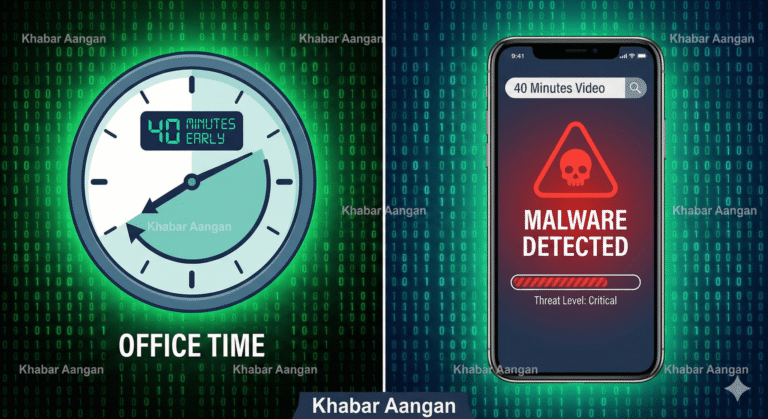
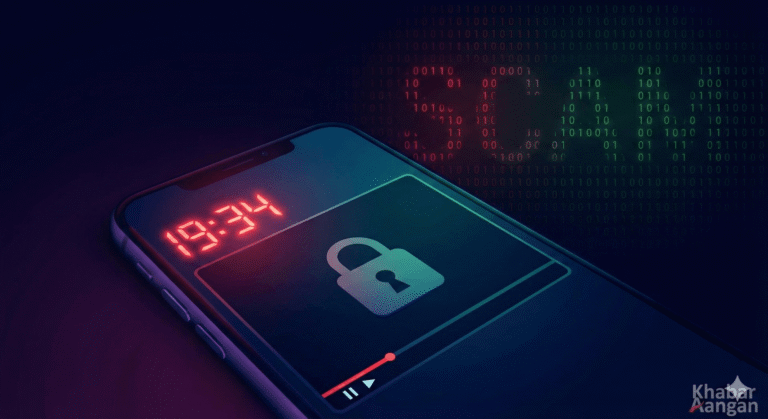
Cyber police have warned that these links are almost exclusively malicious. There is no “Part 2” in most of these cases. Instead, clicking these links can install banking trojans or ransomware on the user’s device. The “19-minute 34-second” duration often cited in these links is a specific “hook” designed to make the file seem legitimate and enticing.
The psychology behind this is simple: the specific timestamp adds an air of authenticity, tricking the user into believing they are accessing a real leaked file. In reality, they are handing over access to their personal data.
Police Action: Strict Warnings and IT Act Penalties
Authorities have not remained silent. The Haryana Police Cyber Cell, led by officer Amit Yadav, issued a video statement addressing the “19-minute” trend. The police explicitly stated that the circulating clips are largely AI-generated or unrelated content repackaged to deceive users.
Law enforcement agencies have reminded the public that sharing, storing, or even searching for non-consensual sexual content is a crime. Under Section 67 and 67A of the Information Technology (IT) Act, 2000, transmitting obscene material can lead to imprisonment of up to five years and hefty fines.
The police are actively monitoring social media groups where such MMS video links are shared. Admins of WhatsApp and Telegram groups are being held liable for the content posted by members. Several arrests have already been made in connection with the creation and distribution of the deepfake videos targeting influencers.
The Human Cost of “Viral” Culture
The events of December 2025 serve as a grim reminder of the human cost of internet virality. For the victims, the trauma of having their names associated with an MMS video scandal is life-altering.





Sweet Zannat spoke about the mental anguish of waking up to thousands of hate comments. Dhunu Joni was forced to deactivate her social media accounts to escape the toxicity. Even in cases where the video is fake, the stigma remains attached to the victim’s name long after the truth comes out.
Social activists are calling for stricter platform regulations to prevent the spread of deepfakes. They argue that the current reporting mechanisms on platforms like Instagram and X are too slow to react to coordinated smear campaigns.
Conclusion: Digital Hygiene is Essential
As we navigate this “MMS Season,” the responsibility falls on every internet user to practice digital hygiene. The urge to click on a trending MMS video link must be tempered with skepticism and empathy.
Users must realize that behind every “viral link” is a potential cyber threat or a real human being facing harassment. The trend of seeking out private moments for entertainment is not just unethical; it is becoming increasingly dangerous in an age where AI can fabricate reality.
The best defense against this wave of scams and deepfakes is to stop the chain of distribution. Do not search, do not click, and most importantly, do not share.
Related Disclaimer: This article reports on current cyber trends and news reports regarding viral videos. The existence or authenticity of specific clips mentioned is subject to police investigation. Readers are strictly advised not to search for or share non-consensual content, as it is a punishable offense under Indian law.
About the Author

📢 Click here for instant updates:
📲 Join us on WhatsApp