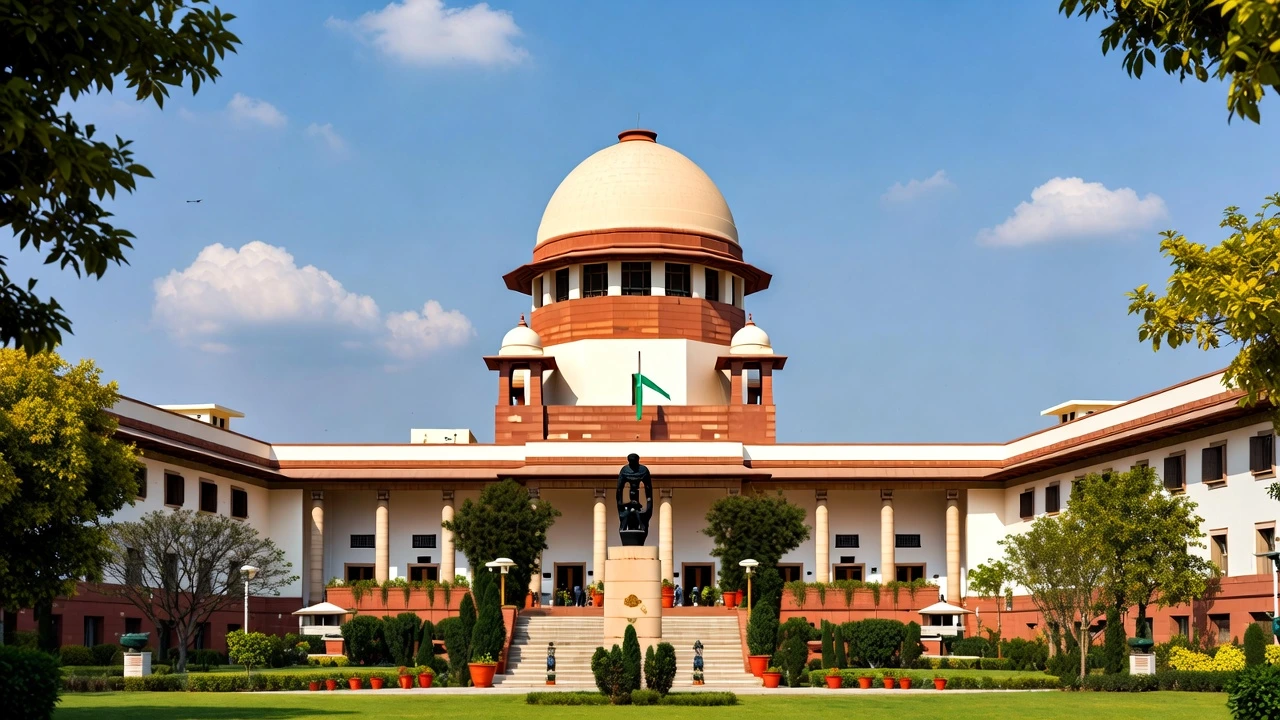
The atmosphere outside the Supreme Court this afternoon was a jarring mix of tearful reunions and stony silence. As the clock struck 2:00 PM on January 5, 2026, a two-judge bench delivered a verdict that has effectively split the Delhi Riots “larger conspiracy” case into two different worlds.
But what was the “secret evidence” that convinced the bench that five individuals were safe to return home, while Umar Khalid and Sharjeel Imam remain too dangerous to be granted liberty? As the five released activists prepare to walk through the gates of Tihar Jail tonight, the legal reasoning behind this decision has raised a question that will haunt the Indian judiciary for the next year.
The court has introduced a “qualitative distinction” in this case, shifting the focus from simple participation to what it calls the “intellectual architecture of unrest.” For those following the trial, this isn’t just a bail order—it is a glimpse into how the state plans to prosecute the most controversial conspiracy case of our time.
The UAPA Wall: Why the “Mastermind” Tag Still Sticks
For over five years, the legal teams for Umar Khalid and Sharjeel Imam have argued that a protest is not a conspiracy and that dissent is not terrorism. However, today’s ruling reinforces the near-impenetrable wall of the Unlawful Activities (Prevention) Act (UAPA).
The Supreme Court observed that the materials provided by the prosecution, including encrypted group chats and witness statements, create a “prima facie” case of high-level planning. The court suggested that these two individuals weren’t just standing in the crowd; they were allegedly the ones drawing the map.
By denying bail, the court has signaled that when the state alleges a threat to national security, the “gravity of the charge” can override the fundamental right to liberty, at least until the most critical witnesses have safely recorded their testimonies.
Five Families Find Justice: The Turning Point for the Co-Accused
While the headlines are dominated by the denial of bail, the release of five other co-accused marks the biggest shift in this case since 2020. Gulfisha Fatima, Meeran Haider, Shifa Ur Rehman, Mohd. Saleem Khan, and Shadab Ahmad are all set to return home after more than half a decade of incarceration.
The court’s logic for their release was simple yet profound: “Incarceration cannot be a substitute for a trial that shows no sign of ending.” The bench noted that these five individuals occupied a “peripheral role” in the alleged conspiracy.
By separating these five from the “primary” accused, the Supreme Court has acknowledged that a blanket detention for all protesters is legally unsustainable. This move is seen as a victory for the principle that “Bail is the rule, Jail is the exception,” even under the shadow of stringent laws.
The “Protected Witness” Factor: The Shield of the Prosecution
One of the biggest mysteries of this case has been the “protected witnesses”—individuals whose identities are hidden even from the defense. Today, the court cited their statements as a primary reason for keeping Khalid and Imam in custody.
The prosecution argued that if these two were released now, the safety of these secret witnesses would be in jeopardy. The court seems to have accepted this fear, ruling that the “sanctity of the evidence” must be protected until it is presented in the trial court.
However, this has sparked a massive debate among legal experts. How can a defense team argue against a witness they don’t know, and how long can a secret statement keep a citizen in jail without a conviction? These questions remain the heartbeat of the ongoing controversy.
A One-Year Ultimatum: The Clock is Ticking for the Delhi Police
In a move that caught many by surprise, the Supreme Court didn’t just walk away after denying bail. The judges have placed a “performance pressure” on the prosecution that has never been seen in this case before.
The bench has granted Umar Khalid and Sharjeel Imam the right to move a fresh bail application in exactly one year if the trial has not made “substantial and meaningful” progress. This is effectively a warning to the Delhi Police to stop the delays.
With hundreds of witnesses still left to examine, the prosecution now faces a race against time. If they cannot produce the core evidence within the next twelve months, the “mastermind” theory may no longer be enough to keep the doors of Tihar Jail locked.
The Economic and Social Cost of the “Conspiracy” Trial
Beyond the legal jargon, the cost of this five-year-long pre-trial detention has been immense. Many of the accused were students and researchers whose careers have been completely dismantled while waiting for a day in court that never seemed to arrive.
The five who are being released today face a difficult road ahead. Under the conditions of their bail, they cannot join protests or make public statements about the case, effectively silencing their voices as they try to rebuild their broken lives.
This case has become a benchmark for how India handles political dissent in the 21st century. As the “News Aangan” investigative desk monitors the situation, the release of these five individuals is being seen as a necessary “pressure release valve” for a judiciary facing international scrutiny.





Looking Toward the New Year’s Eve Finale of the Legal Battle
As 2026 begins, the focus now shifts back to the Karkardooma trial court. The examination of the “secret witnesses” is expected to begin in February, and it will be the first time the defense gets to poke holes in the prosecution’s narrative.
Will the “larger conspiracy” hold up when the witnesses are actually put on the stand? Or will the case slowly crumble, much like the smaller riot cases that have already seen dozens of acquittals over the last two years?
Whatever happens, today’s verdict has ensured that the “Delhi Riots Case” will remain the most watched legal drama in India for the foreseeable future. For now, five people are going home, but the heart of the mystery remains locked behind bars.
News Aangan Editorial Policy: This report has been meticulously researched using official court orders and primary legal filings from January 5, 2026. We prioritize factual neutrality and journalistic integrity to build a reliable source of information for our readers.
About the Author

📢 Click here for instant updates:
📲 Join us on WhatsApp